

The world of NASCAR is a thrilling blend of speed, strategy, and skill. As fans eagerly anticipate each race, understanding the intricacies of driver performance and team affiliations becomes crucial. This comprehensive breakdown of NASCAR driver profiles and stats delves into the personal backgrounds, achievements, and current standings of key drivers in the 2026 season. By exploring these profiles, fans can gain insights that enhance their viewing experience and deepen their appreciation for the sport.
Understanding Nascar Driver Profiles
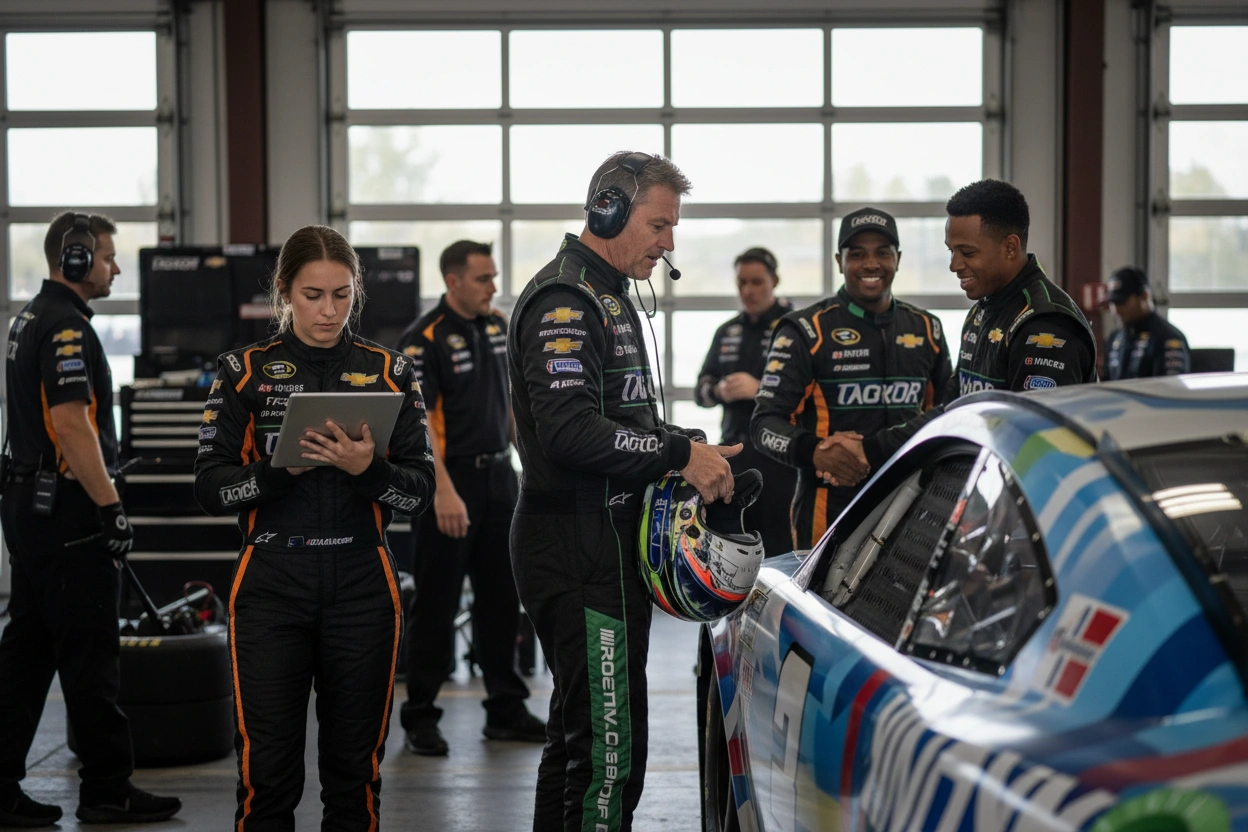
NASCAR driver profiles encapsulate a wealth of information about the athletes who compete at high speeds on race day. These profiles not only highlight the drivers' career statistics but also shed light on their personal backgrounds, team affiliations, and unique racing styles. An in-depth look at these profiles reveals the intricate details that contribute to each driver's on-track performance.
Personal Background
The personal journey of a NASCAR driver often plays a significant role in shaping their racing career. Many drivers come from families with a rich history in motorsports, while others may have discovered their passion independently.
-
Family Influence: A number of successful drivers, such as Dale Earnhardt Jr. and Kyle Busch, have family ties to the sport, which often provides them with early exposure to racing culture. This background can lead to a deeper understanding of the sport's nuances from a young age.
-
Diverse Paths: On the other hand, some drivers, like Bubba Wallace, come from different backgrounds entirely, showcasing how diverse experiences can lead to success in NASCAR. Wallace's journey emphasizes the importance of perseverance and determination, making his story resonate with fans.
By examining the personal backgrounds of drivers, fans can appreciate the unique paths that lead to success in NASCAR, fostering a deeper connection to their favorite competitors.
Team Affiliations
Team affiliations are a critical aspect of NASCAR, influencing everything from a driver's performance to their overall strategy during races. Drivers typically align with specific teams that provide them with the necessary resources, support, and technology to excel.
-
Major Teams: Some of the most recognizable teams in NASCAR include Joe Gibbs Racing, Hendrick Motorsports, and Team Penske. Each of these teams has a distinct culture and approach to racing, which can impact driver performance. For instance, Hendrick Motorsports is known for its strong engineering and innovation, which has contributed to multiple championships.
-
Rookie Drivers: New drivers often join established teams to gain valuable experience and mentorship. For example, rookie drivers in 2026 may find themselves paired with veteran teammates who can guide them through the complexities of NASCAR racing. This mentorship can be crucial for their development and success in the sport.
Understanding team affiliations provides fans with insights into the dynamics of the sport, highlighting how collaboration and support among team members can influence individual performance on the track.
Season Performance Metrics
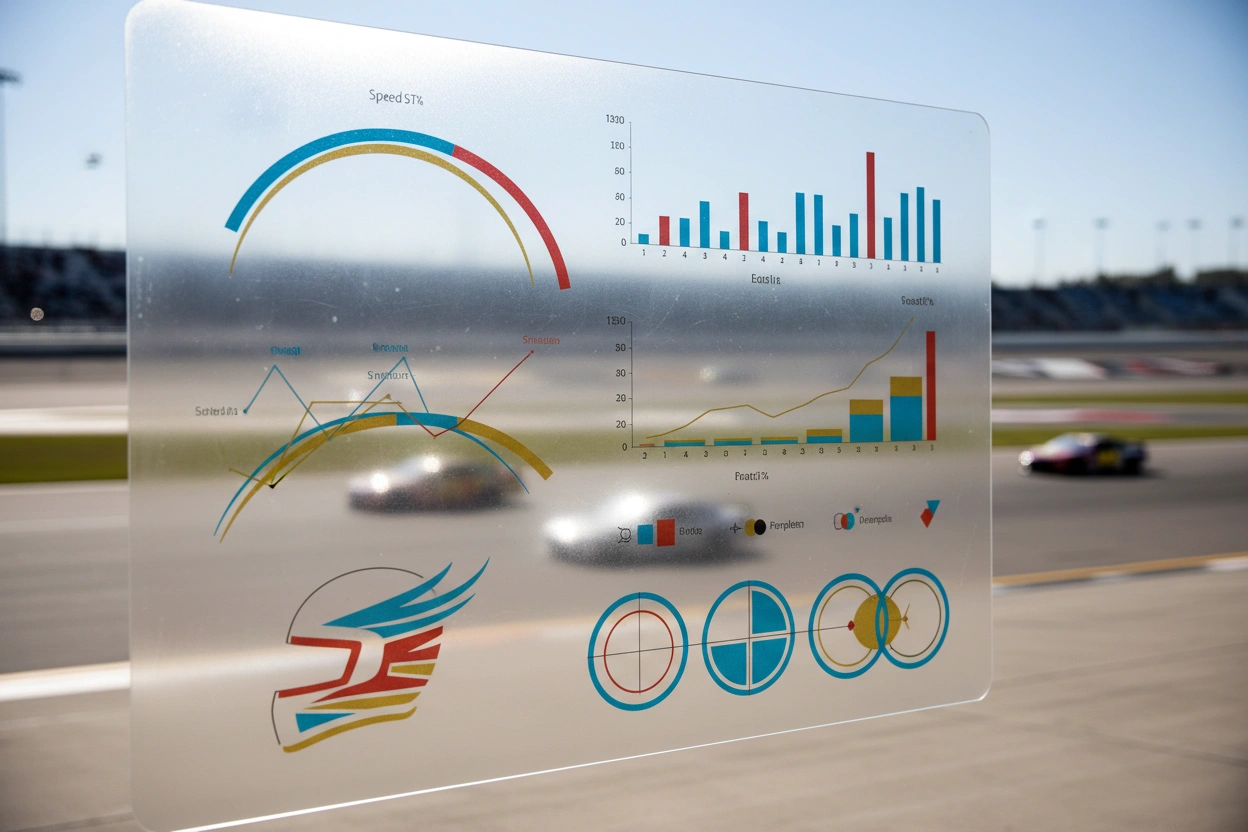
In 2026, analyzing season performance metrics is essential for evaluating driver performance metrics. Various statistics can provide a clear picture of how well drivers are performing relative to their peers. Key performance indicators include:
Wins and Top Finishes
A driver’s ability to secure wins and consistent top finishes is a primary indicator of their performance.
-
Wins: The number of races won is a direct reflection of a driver's skill and the effectiveness of their team. In 2026, drivers like Chase Elliott and Denny Hamlin have consistently been at the top of the leaderboard, demonstrating their ability to navigate the competition successfully.
-
Top Finishes: Beyond wins, the frequency of top-five and top-ten finishes contributes to a driver's overall standings in the championship. This metric highlights consistency, a vital trait for championship contenders.
Average Finish Position
The average finish position is another critical metric that provides insights into a driver's performance over the season.
-
A lower average finish position indicates a driver's ability to maintain competitiveness throughout various races. For instance, drivers with an average finish in the top ten are often seen as strong contenders for the championship.
-
Tracking changes in average finish positions over time can reveal trends in driver performance, offering insights into their adaptability and growth.
Laps Led
Laps led is an essential statistic that reflects a driver's dominance during races.
-
Leading laps indicates not only speed but also strategic racing capabilities. Drivers who frequently lead laps, such as Kevin Harvick, often have a better chance of securing wins, as they control the pace of the race.
-
Analyzing laps led in conjunction with race outcomes can provide deeper insights into how effectively a driver can translate speed into success.
Common Misconceptions About Driver Performance
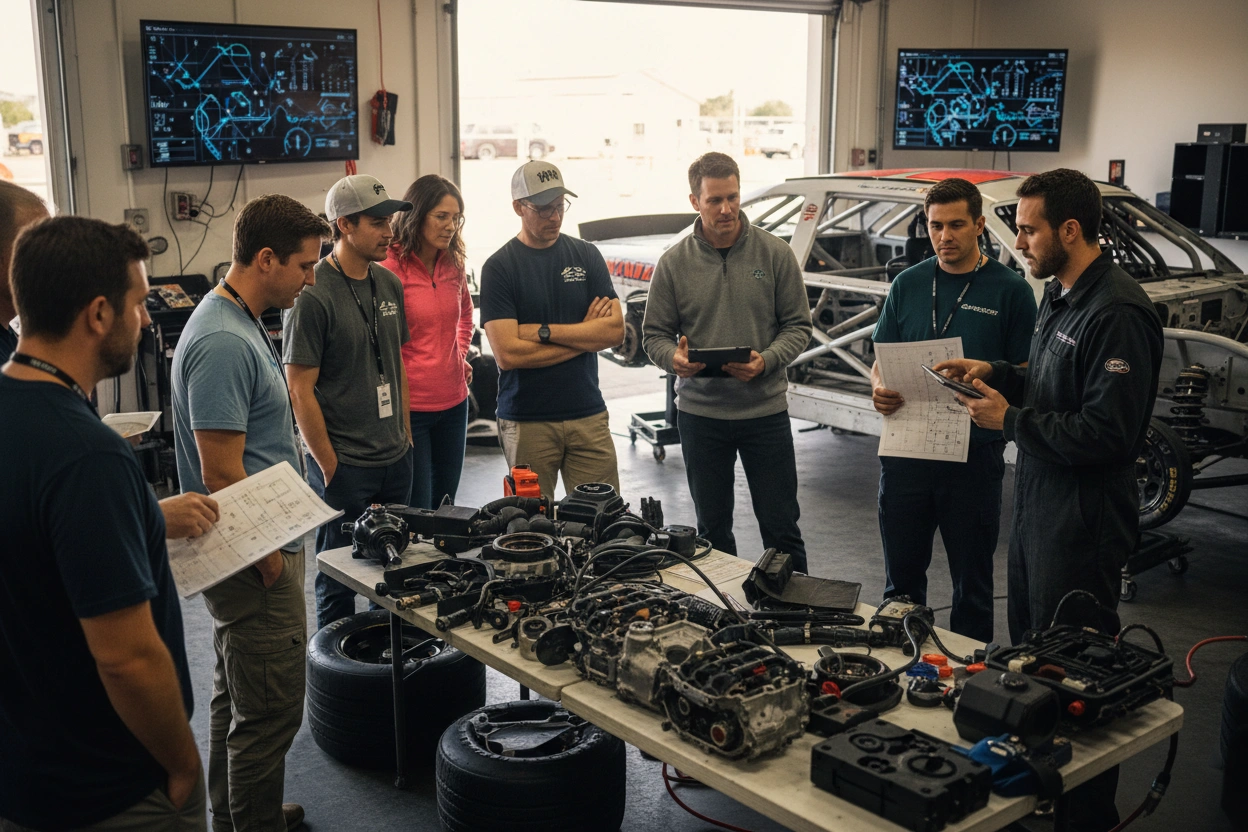
When discussing NASCAR driver profiles, several misconceptions can cloud fans' understanding of what constitutes a successful driver. Addressing these misconceptions can lead to a more nuanced appreciation of the sport.
Misconception: Winning is Everything
Many fans equate a driver's success solely with the number of races won. While victories are significant, they do not tell the entire story.
- Consistency in performance, as evidenced by top finishes and average positions, is equally vital. A driver who consistently finishes in the top ten but rarely wins can still be a strong championship contender.
Misconception: Team Affiliation is Secondary
Some fans believe that a driver's talent outweighs the impact of their team. However, team resources, technology, and support play a crucial role in a driver's success.
- The collaboration between drivers and their teams is essential for optimizing performance. Teams that invest in research and development can provide drivers with the tools they need to excel.
Key Drivers to Watch in 2026
As the 2026 season progresses, several drivers stand out based on their profiles and performance metrics. Here are a few key drivers to keep an eye on:
-
Chase Elliott: Known for his aggressive racing style, Elliott has consistently performed well, securing multiple wins in recent seasons. His ability to adapt to different tracks makes him a formidable competitor.
-
Denny Hamlin: A seasoned veteran, Hamlin's experience and strategic approach to racing keep him in the championship conversation. His understanding of race dynamics often gives him an edge in crucial moments.
-
Bubba Wallace: As a rising star, Wallace has garnered attention for his impressive performances and advocacy for diversity in the sport. His ability to connect with fans and drive competitively makes him a driver to watch.
-
Kyle Larson: With a strong background in dirt racing, Larson brings a unique skill set to the NASCAR circuit. His versatility and knack for finding speed on various tracks make him a key player in the 2026 season.
-
Kevin Harvick: A seasoned competitor with numerous accolades, Harvick's experience and strategic mindset often result in strong performances. His ability to mentor younger drivers also contributes to his team's success.
Actionable Insights for Fans
To enhance your understanding of NASCAR and its drivers, consider the following actionable insights:
-
Stay Updated: Regularly follow NASCAR news and updates to keep track of driver performances and team changes. Websites and social media platforms dedicated to NASCAR often provide real-time updates and statistics.
-
Analyze Race Data: Utilize race data and statistics to evaluate driver performances. Many platforms offer detailed analytics that can provide insights into driver strategies and outcomes.
-
Engage with the Community: Join online forums and discussion groups to share insights and learn from other fans. Engaging with the NASCAR community can enrich your understanding of the sport.
The Intersection of Nascar Driver Profiles and Performance Insights
As we delve into the intricacies of NASCAR driver profiles and their performance metrics, it becomes evident that understanding these elements enhances the overall viewing experience. Fans are not just spectators; they become informed enthusiasts who appreciate the nuances of the sport.
With tools and resources available, such as comprehensive statistics and analysis platforms, fans can deepen their knowledge of driver profiles and team dynamics. Mr PitBox stands as a valuable resource for those looking to engage further with the world of NASCAR.
For fans eager to apply what they have learned about NASCAR driver profiles and performance metrics, reaching out for more information or resources is a great next step.
To explore further insights and enhance your NASCAR experience, visit Mr Pit Box and stay connected with the latest in racing statistics and driver profiles.
