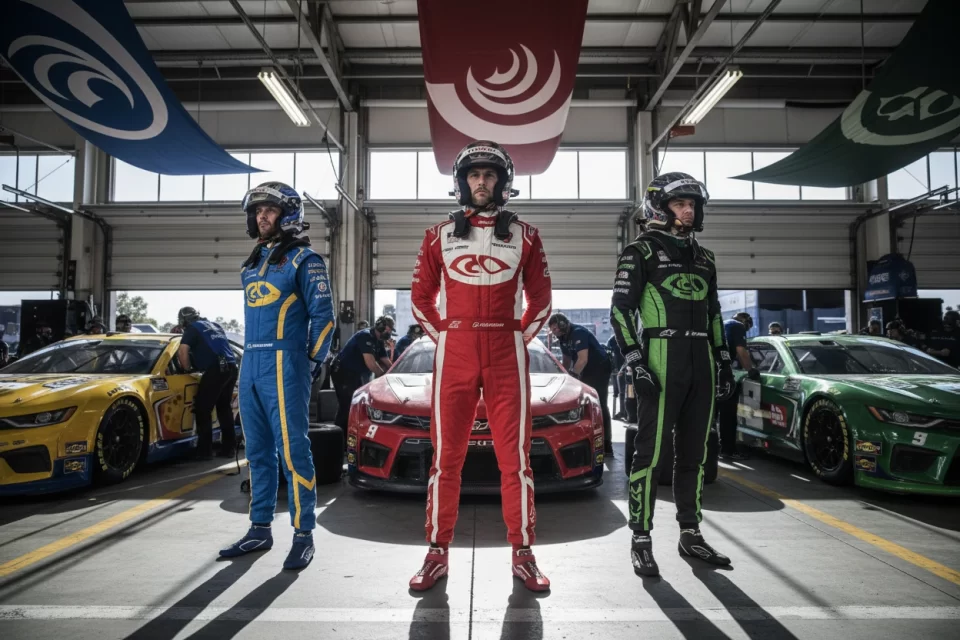
The world of NASCAR is as competitive as it is thrilling, with each driver not only racing for victory but also crafting their unique driver profiles and careers. Team affiliations play a crucial role in shaping these driver profiles, influencing everything from their performance on the track to their marketability off of it. As we explore the intricate relationship between team dynamics and individual driver development, we will uncover how these affiliations impact driver history and season performance.
In 2026, the NASCAR landscape is witnessing a blend of established teams and new entrants, each contributing to the evolution of driver profiles. Understanding these dynamics is essential for fans, aspiring drivers, and industry stakeholders alike. This article delves into the various aspects of how team affiliations influence NASCAR driver profiles and careers, providing actionable insights and expert perspectives.
The Significance of Team Affiliations in NASCAR
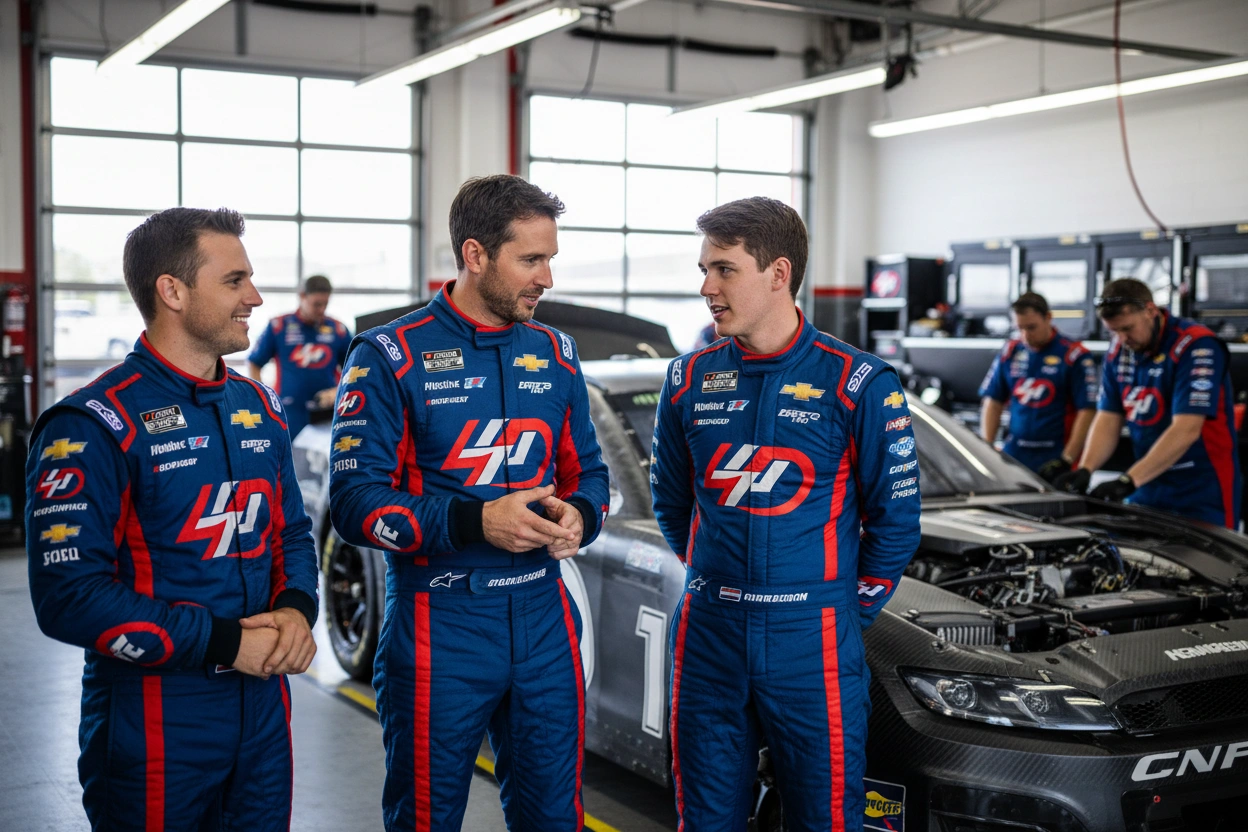
Team affiliations in NASCAR are pivotal in determining a driver's trajectory. Each team comes with its own set of resources, strategies, and histories that can significantly influence a driver's development and success. The synergy between a driver and their team can either propel them to stardom or hinder their potential.
Resource Allocation and Development
NASCAR teams vary widely in terms of resources, including funding, technology, and personnel. Well-established teams often have access to state-of-the-art equipment and experienced crew members, which can enhance a driver’s performance on the track. For instance, teams like Hendrick Motorsports and Joe Gibbs Racing have long histories of success, allowing them to attract top-tier talent.
- Funding: Teams with robust financial backing can invest in better technology and training, which can dramatically improve a driver's performance.
- Technical Support: Access to experienced engineers and crew members can help drivers refine their skills and strategies.
- Equipment: Advanced race cars with cutting-edge technology provide drivers with a competitive edge.
Conversely, drivers affiliated with less prominent teams may struggle due to limited resources. This disparity highlights the importance of choosing the right team for career advancement.
Brand Identity and Marketability
The brand identity of a NASCAR team significantly influences a driver's marketability. Teams with strong fan bases and positive reputations can elevate a driver's profile, leading to lucrative sponsorships and endorsements. For example, drivers associated with teams that have a history of success tend to attract more media attention and fan favorite drivers.
- Sponsorship Opportunities: Successful teams often have established relationships with major brands, which can translate into sponsorship deals for their drivers.
- Fan Engagement: Drivers representing popular teams benefit from a built-in fan base, enhancing their visibility and marketability.
- Media Exposure: Teams with a strong presence in the sport garner more media coverage, which can boost a driver's profile.
Drivers who can effectively leverage their team’s brand identity often find greater success in their careers.
How Season Performance Shapes Driver Profiles

Season performance is a critical aspect of NASCAR driver profiles, as it directly impacts a driver's reputation and future opportunities. The relationship between a driver’s performance and their team affiliation is intricate and multifaceted.
Performance Metrics and Their Implications
In NASCAR, performance metrics such as young talent, race wins, pole positions, and overall standings are key indicators of a driver's capabilities. These metrics not only reflect a driver’s skill but also the effectiveness of their team.
- Race Wins: Winning races is the most significant measure of success. Drivers who frequently finish in the top positions often secure their place in the spotlight.
- Consistency: Consistent performance throughout the season, such as finishing in the top ten regularly, showcases a driver’s reliability and skill.
- Pole Positions: Securing pole positions indicates a driver’s ability to qualify well, which can lead to better race outcomes.
Drivers who perform well in these areas often see their profiles rise, attracting more attention from sponsors and fans alike.
The Impact of Team Strategy on Performance
Team strategy plays a crucial role in influencing driver performance. Each team employs various tactics during races, including pit stop strategies, tire management, and fuel consumption plans. These strategies can significantly affect a driver’s results.
- Pit Stop Efficiency: Quick and efficient pit stops can make or break a race. Teams that excel in this area provide their drivers with a competitive advantage.
- Tire Strategy: Teams must make strategic decisions regarding tire changes, which can impact race outcomes. Drivers who work closely with their teams to optimize tire usage often perform better.
- Communication: Effective communication between the driver and the pit crew is essential for making real-time decisions during races. Teams that foster strong communication lines can enhance their drivers’ performance.
These strategic elements can differentiate successful drivers from those who struggle, highlighting the importance of team dynamics in shaping driver profiles.
Common Misconceptions About Team Affiliations
While many understand the general impact of team affiliations on NASCAR driver profiles, several misconceptions persist that can cloud judgment. Addressing these misconceptions can provide clearer insights into the dynamics at play.
Misconception 1: All Teams Are Equal
One prevalent misconception is that all NASCAR teams provide similar opportunities for drivers. In reality, the differences in resources, experience, and success rates among teams can be substantial.
- Resource Disparity: Some teams have more financial backing and technological advancements, leading to better performance and opportunities for their drivers.
- Historical Success: Teams with a history of winning attract more talent and sponsorship, creating a cycle of success that can be hard for newer teams to break into.
Misconception 2: Driver Success Is Solely Based on Talent
Another common belief is that a driver’s success is solely dependent on their talent. While talent is undoubtedly a critical factor, the support from a team can be equally, if not more, important.
- Team Support: A driver with a talented team can achieve more than a highly skilled driver with limited support.
- Mentorship: Experienced teams often provide mentorship opportunities that can help drivers develop their skills further.
Recognizing these nuances is essential for understanding the broader picture of NASCAR driver profiles.
Building a Successful Driver Profile
Crafting a successful NASCAR driver profile involves strategic planning, relationship-building, and ongoing performance improvements. Here are some key strategies that aspiring drivers can implement to enhance their profiles.
Networking and Relationship Building
Building relationships within the NASCAR community is vital for career advancement. Networking can open doors to opportunities that might not be available through conventional means.
- Attend Events: Participating in NASCAR events allows drivers to meet key figures in the industry, including team owners, sponsors, and fellow drivers.
- Engage on Social Media: Maintaining an active presence on social media can help drivers connect with fans and industry stakeholders.
- Seek Mentorship: Finding a mentor within the sport can provide invaluable guidance and insights into navigating the complexities of a racing career.
Continuous Skill Development
Improving driving skills is an ongoing process that requires dedication and practice. Drivers should focus on honing their craft through various means.
- Simulators: Utilizing racing simulators can help drivers practice and refine their skills in a controlled environment.
- Physical Fitness: Maintaining peak physical condition is crucial for endurance during races. Drivers should engage in regular fitness routines tailored to the demands of racing.
- Feedback and Analysis: Seeking feedback from coaches and team members can help drivers identify areas for improvement.
By committing to continuous development, drivers can enhance their profiles and increase their chances of success.
The Evolving Landscape of NASCAR
As we move through 2026, the NASCAR landscape continues to evolve, with new teams emerging and existing teams adapting to changes in technology and fan engagement. Understanding these trends is crucial for drivers looking to establish themselves in this competitive environment.
Technological Advancements
The introduction of new technologies, such as electric vehicles and enhanced telemetry systems, is shaping the future of NASCAR. Drivers must stay informed about these advancements to remain competitive.
- Electric Vehicles: As NASCAR explores electric vehicle options, drivers may need to adapt their skills to accommodate new technologies.
- Data Analytics: Teams are increasingly using data analytics to inform race strategies. Drivers who can interpret and leverage this data will have a competitive edge.
Fan Engagement Strategies
The way fans engage with NASCAR is changing, with a growing emphasis on digital platforms and social media. Drivers who adapt to these trends can enhance their visibility and marketability.
- Interactive Content: Creating engaging content on social media platforms can help drivers connect with fans on a personal level.
- Live Streaming: Participating in live streaming events allows drivers to showcase their personalities and build a loyal fan base.
By staying ahead of these trends, drivers can effectively shape their profiles in a rapidly changing environment.
The Intersection of Team Affiliations and Nascar Driver Profiles
In summary, the interplay between team affiliations and NASCAR driver profiles is complex and multifaceted. From resource allocation to strategic performance, each aspect contributes to shaping a driver’s career trajectory. As the NASCAR landscape continues to evolve, understanding these dynamics becomes increasingly essential for aspiring drivers and fans alike.
Mr PitBox is committed to helping you navigate the intricacies of NASCAR driver profiles and team dynamics. Whether you are a fan looking to deepen your understanding or an aspiring driver seeking guidance, we provide the resources and insights necessary to thrive in this competitive sport. NASCAR events.
For more information on how we can assist you in your journey, visit Mr PitBox and take the first step toward enhancing your NASCAR experience.
