

Understanding the nuances of Nascar race analysis is crucial for fans, analysts, and stakeholders alike. As the racing season progresses, various factors such as track conditions and driver performance can significantly influence race outcomes. This article delves deep into the intricacies of Nascar race results, examining how different track conditions impact driver performance and exploring current trends in the sport.
The Importance of Track Conditions in Nascar Racing
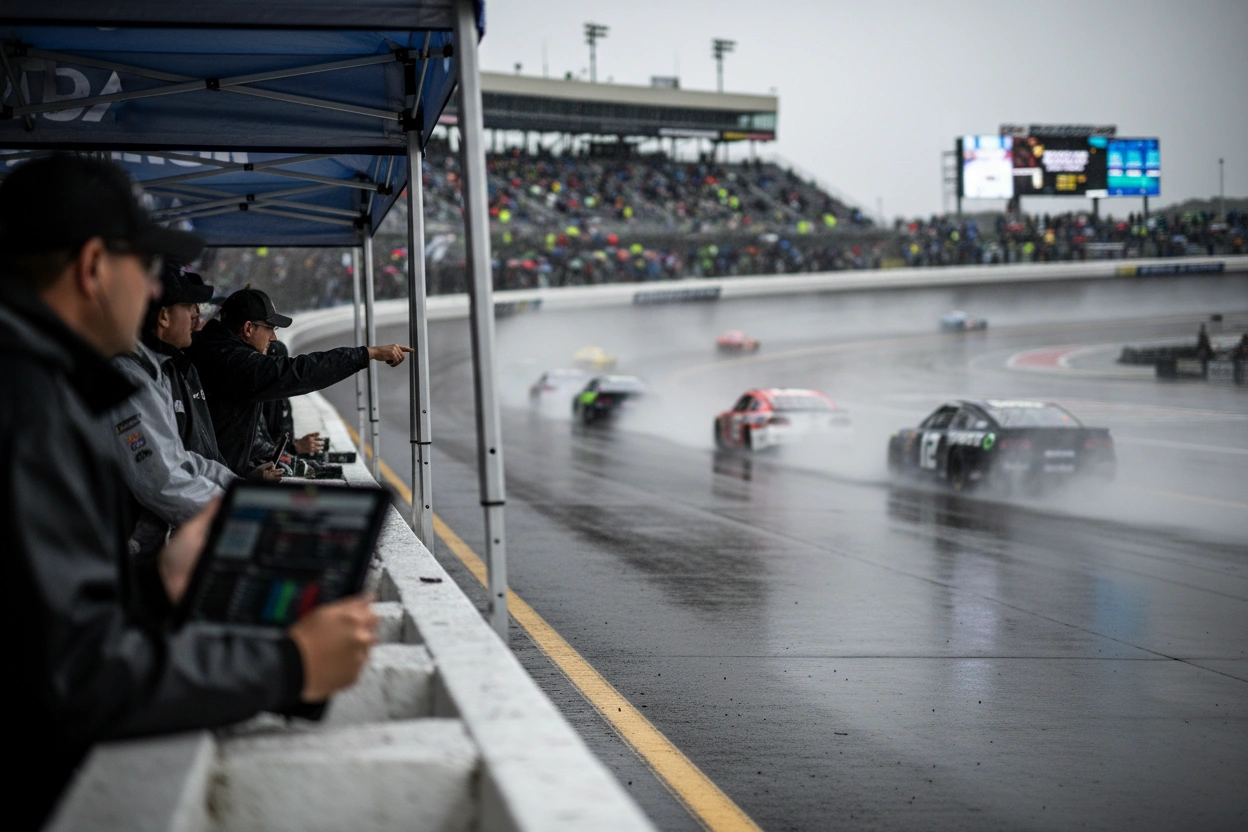
Track conditions are fundamental to Nascar racing, affecting everything from tire wear to vehicle handling. Various elements contribute to the conditions of a track, including weather, surface type, and the time of day the race is held.
Weather Influence on Track Conditions
Weather plays a pivotal role in determining track conditions. Factors such as temperature, humidity, and precipitation can drastically alter how a track performs.
- Temperature: Warmer temperatures typically lead to a slicker track surface, which can affect tire grip and overall handling. Conversely, cooler conditions may enhance grip but also lead to increased tire wear.
- Humidity: High humidity can lead to moisture accumulation on the track, which can cause slippery conditions, particularly in the early laps of a race.
- Precipitation: Rain can lead to significant changes in racing strategies, as drivers must adapt to wet conditions that can dramatically alter lap times and increase the risk of accidents.
Understanding these weather-related factors is essential for teams and drivers when developing race strategies. They must be prepared to adjust their setups and driving styles based on the prevailing conditions.
Track Surface and Composition
The type of surface and its condition can greatly affect how cars perform during a race.
- Asphalt vs. Concrete: Different materials yield different grip levels. Asphalt tends to provide better grip than concrete, but it can wear out faster, leading to varying levels of performance throughout the race.
- Track Age: An older track may develop rubber buildup, which can enhance grip but also create a more challenging racing surface as the race progresses.
- Pavement Condition: Cracks, bumps, and general wear can alter how cars handle, impacting driver confidence and strategy.
Analyzing the specific characteristics of each track can help teams prepare for how their vehicles will respond under varying conditions.
Driver Performance Trends in Nascar Racing

In addition to track conditions, driver performance is a critical aspect of Nascar race analysis. Evaluating drivers’ strengths and weaknesses can provide insights into potential outcomes for upcoming races.
Recent Driver Performance Metrics
Analyzing recent performance metrics can reveal trends that may not be immediately apparent.
- Lap Times: Consistency in lap times is a vital indicator of a driver's performance. A driver who maintains similar lap times is often more likely to finish in a strong position.
- Qualifying Positions: The starting position can heavily influence race outcomes. Drivers who consistently qualify well tend to have better race results, as they can avoid the chaos that often occurs in the mid-pack during the early laps.
- Finishing Positions: Historical finishing positions can help predict future performance. A driver with a strong record at a specific track may have an advantage in subsequent races.
Psychological Factors in Driver Performance
Mental toughness is often overlooked in Nascar race analysis, yet it plays a significant role in driver performance.
- Pressure Handling: Drivers who excel under pressure tend to perform better in high-stakes situations. Understanding which drivers can maintain focus during challenging moments can be crucial for predicting race outcomes.
- Team Dynamics: The relationship between a driver and their crew can significantly impact performance. Teams that communicate effectively and work cohesively often have better results.
Identifying these psychological factors can provide an edge when analyzing driver performance and making predictions.
Analyzing Nascar Race Results

Analyzing race results involves more than just looking at the finishing order. A comprehensive approach includes evaluating various data points that contribute to understanding the dynamics of each race.
Data Points to Consider
When analyzing Nascar race results, consider the following key data points:
- Pit Stop Efficiency: The speed and effectiveness of pit stops can make or break a race. Teams that excel in this area often gain crucial positions.
- Cautions and Incidents: Understanding how caution flags and incidents affect race strategy is essential. Drivers who are adept at navigating these situations can capitalize on opportunities.
- Tire Strategy: The choice of tires and the timing of pit stops can significantly influence race results. Teams must be strategic in their tire management to optimize performance.
Utilizing Technology for Analysis
In today's racing environment, technology plays a vital role in Nascar race analysis. Data analytics tools and software allow teams to analyze vast amounts of data quickly and efficiently.
- Telematics: Utilizing telematics allows teams to gather real-time data on vehicle performance, enabling immediate adjustments during a race.
- Simulation Software: Race simulation tools can help teams predict outcomes based on various scenarios, providing insights that can inform race strategies.
Embracing these technologies can lead to improved performance and a deeper understanding of race dynamics.
Common Misconceptions in Nascar Race Analysis
Despite the wealth of information available, several misconceptions persist in the realm of Nascar race analysis. Addressing these can enhance understanding and improve predictive accuracy.
Misconception: Driver Skill is the Sole Factor
While driver skill is undoubtedly crucial, it is not the only determinant of success. Factors such as team strategy, vehicle performance, and track conditions also play significant roles. Ignoring these elements can lead to an incomplete analysis.
Misconception: All Tracks are the Same
Every track has unique characteristics that can influence race outcomes. Assuming that a driver will perform equally well across different tracks ignores the nuances that can affect performance. Wurth 400 is a prime example of how track specifics can impact results.
Misconception: Historical Performance Guarantees Future Results
While historical data can provide insights, it should not be the sole basis for predictions. Changes in team dynamics, driver form, and technological advancements can all impact performance.
Actionable Insights for Nascar Race Analysis
To effectively analyze Nascar races, consider implementing the following strategies:
- Collect Comprehensive Data: Gather data from various sources, including race results, weather reports, and driver performance metrics.
- Utilize Analytical Tools: Leverage data analytics tools to process information efficiently and extract meaningful insights.
- Stay Updated on Trends: Monitor changes in driver performance and team strategies throughout the season to inform your analysis.
By incorporating these strategies, you can enhance your Nascar race analysis and make more informed predictions.
The Intersection of Track Conditions and Driver Performance
In Nascar, the interplay between track conditions and driver performance creates a complex landscape that demands careful analysis. Understanding how each factor influences race outcomes can provide a significant advantage for fans, analysts, and teams alike. Chase Elliott is an example of a driver whose performance can be influenced by these factors.
The Role of Mr PitBox in Nascar Race Analysis
At Mr PitBox, we are committed to helping you navigate the intricacies of Nascar race analysis. Our resources can assist you in understanding track conditions, analyzing driver performance trends, and making informed predictions for upcoming races. William Byron is another driver to watch in this context.
By applying the insights gained from this article, you can enhance your understanding of Nascar racing and develop a more nuanced perspective on race outcomes.
For more information on how we can assist you, visit Mr Pit Box or contact us directly. Our expertise can help you leverage the knowledge gained from this Nascar race analysis to stay ahead in your predictions and enhance your overall racing experience.
