
NASCAR isn’t the same sport it was 20 years ago. That much is obvious.
The argument is over whether that’s a good thing.
For longtime fans, NASCAR was built on stock cars, short tracks, Southern racing and drivers who worked their way up through local tracks. Now there are street races, new venues, streaming deals and plenty of changes to the race format.
Some fans love it. Others look at the modern NASCAR schedule and wonder what happened to the sport they grew up watching.
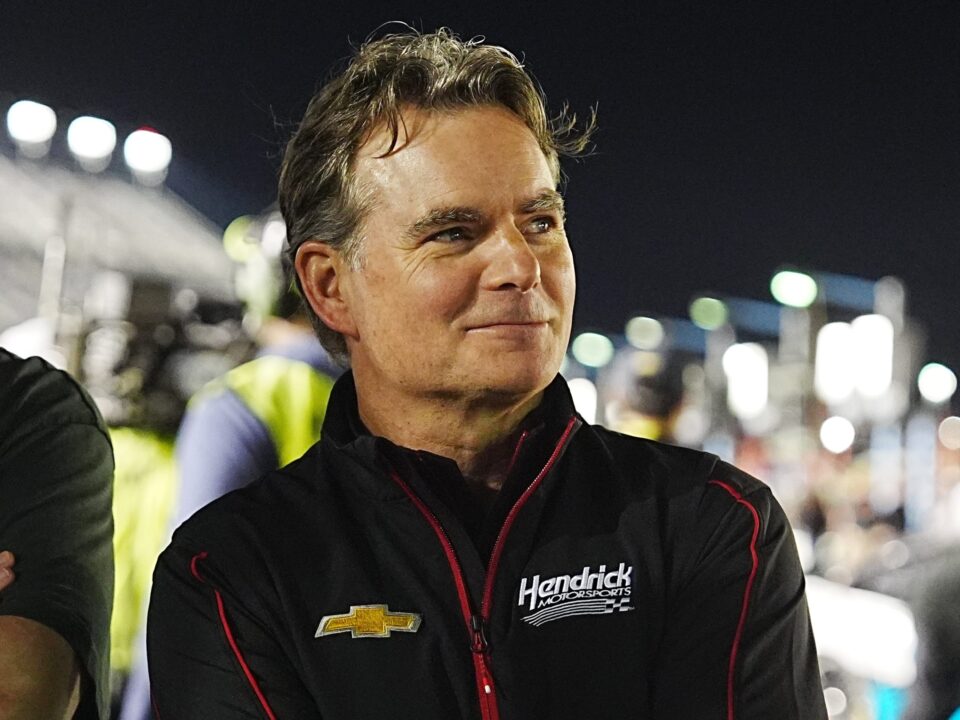
Four-time Cup Series winner Jeff Gordon doesn’t seem to think NASCAR has to pick one side.
Jeff Gordon Wants NASCAR to Move Forward Without Forgetting Its Past

Gordon sees Steve O’Donnell and Ben Kennedy as a good combination for NASCAR right now. O’Donnell knows the sport’s history, while Kennedy isn’t afraid to try something different.
“I think he brings a lot of strength in asking, ‘Hey, how do we stay true to our core fan? How did we get here?’ He understands the history of it, and let’s not veer too far off from that. But we still have to bring new fans in.” Gordon said on the Dale Jr. Download podcast.
That last part is the tricky one.
NASCAR can’t rely forever on the same audience, the same venues and the same way of presenting races. Younger fans watch sports differently. Streaming is becoming a bigger part of the picture. New markets matter.
So does trying something nobody has seen before.
Gordon brought up NASCAR’s 2026 event at Naval Base Coronado as an example.
“I mean, I just look at San Diego this year. I mean, what a home run, right? That’s everything that I think that we want. We want a new venue in a new market. We get to tie it to the military, which is such a huge part of not just celebrating 250 years, but our sport every year.” Gordon said.
That’s a pretty good argument for experimenting.
But Gordon isn’t suggesting NASCAR should throw its history in the trash.
“I love that we’re going to North Wilkesboro. I don’t want us to ever leave there,” he said.
North Wilkesboro gives NASCAR something a brand-new street course can’t: history. Darlington has it. Daytona has it. Martinsville has it.
Those tracks are part of the reason NASCAR became NASCAR in the first place.
But How Much Change Is Too Much?
This is where the fanbase starts fighting. The playoffs changed the championship. Stage racing changed the rhythm of races. Road courses and street races have become a bigger part of the schedule.
Some fans see more variety. Others see NASCAR moving further away from the racing they originally fell in love with.
And it’s not really about hating change. It’s feel more about identity. A longtime fan doesn’t necessarily want NASCAR frozen in 1998. But they also don’t want to look at the schedule and barely recognize the sport.
Gordon’s thoughts on the Brickyard make that point.
“I had always said for the Brickyard that I thought it should only happen every four years,” Gordon said. “From the very beginning, it was so unique, so special, so huge that you knew you couldn’t replicate it every single year.”
That’s an interesting way to look at NASCAR’s future. Maybe the answer isn’t adding more of everything.
Either way, NASCAR needs new fans. It needs new markets. It needs fresh ideas. But it also needs the people who were watching long before street courses and streaming became part of the conversation.
That’s the tight line NASCAR has to walk.
Also Read:: NASCAR Is Taking Racing to Military Bases—Could Space Force Be Next?
More must-reads:
